September 30, 2026



Discerning the Right Fit: What Makes a Mission-Aligned Catholic School Leader?
Academic institutions face relentless operational pressures that require clear direction and structured execution instead of knee-jerk decisions. Building a viable long-term roadmap requires an objective look at resources, community expectations, and academic performance.
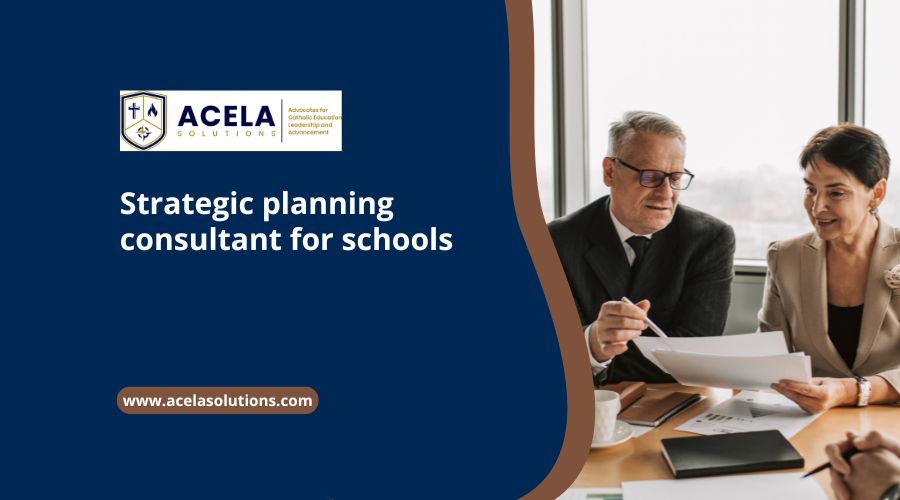
Partnering with a seasoned strategic planning consultant for schools allows boards and administrators to translate high-level mission statements into clear daily actions.
An outside advisory team provides the objective oversight and structured framework required to secure long-term institutional health. This guidance helps leaders move from survival mode to deliberate, structured progress.
Why Clear Planning Direction Matters
A master plan must serve as an active guide for daily operations rather than a decorative binder gathering dust. When a school operates without clear long-term priorities, resources are frequently scattered across competing initiatives. This fragmentation leads to administrative burnout and inconsistent student outcomes.
A structured approach helps leadership protect their core mission while adapting to changing demographic and financial realities. It provides a shared vocabulary for teachers, parents, and board members. Clear planning ensures that every spent dollar and every scheduled hour directly supports institutional viability.
An experienced strategic planning consultant for schools brings a disciplined approach that prevents the planning process from becoming a passive document. External facilitators remain neutral, helping diverse committees resolve competing priorities without internal friction. This objectivity is essential when establishing realistic goals for enrollment, advancement, and program development.
The Architecture of an Effective Planning Process
Successful planning requires a structured approach divided into distinct, manageable phases. Skipping the preliminary discovery phase often results in plans that fail to address the actual needs of the community. A structured timeline ensures that every voice is heard and every data point is verified before setting long-term goals.
Institutions must commit to a timeline that allows for deep data collection and wide community listening. The following table outlines the standard phases of a comprehensive school planning process.
| Phase Name | Typical Duration | Primary Deliverables and Focus |
|---|---|---|
| Discovery and Integration | Months 1 to 2 | Data collection, leadership interviews, and initial community surveys. |
| Community Listening | Months 3 to 4 | Focus groups, community town halls, and priority mapping. |
| Plan Formulation | Months 5 to 6 | Drafting core pillars, defining key performance indicators, and establishing timelines. |
| Execution Setup | Month 7 and Beyond | Assigning operational ownership, creating action registers, and launching monitoring tools. |
Each phase requires active participation from both administrators and board trustees to ensure seamless execution. The transition from planning to action relies heavily on this structured progression.
How a Strategic Planning Consultant for Schools Guides the Process
Managing these phases requires specialized tools and objective oversight that internal teams rarely have the capacity to handle alone. Busy school leaders are already fully committed to daily operations and student care. A dedicated strategic planning consultant for schools keeps the process moving on schedule without distracting from the school's primary educational activities.
Third-party specialists also design customized listening sessions that encourage honest feedback from faculty and families. People often speak more candidly with an external partner who has no direct role in their daily employment or grading. This candor is vital for identifying underlying systemic issues that need urgent attention.
The resulting data must be synthesized into manageable categories rather than a massive list of unprioritized suggestions. External partners filter this information through a lens of operational feasibility and market reality. This step ensures the final plan is both aspirational and realistic.
Essential Qualities of an Effective Planning Partner
Selecting the right advisory partner is a pivotal decision that shapes the institution's path for years to come. The ideal partner should possess deep experience in educational leadership and a proven track record of facilitating complex group dynamics.
When evaluating a potential strategic planning consultant for schools, leadership teams must look for practitioners who have firsthand experience leading institutions. The following qualities are essential for a successful planning partnership.
- The advisor must have direct experience serving as a school president, principal, or board trustee to understand operational realities.
- They should offer customized planning frameworks rather than rigid, pre-packaged templates that ignore local community context.
- A focus on execution support is vital, ensuring the plan does not lose momentum after the final document is printed.
- The firm must demonstrate a commitment to stewardship, respecting the school's time, financial resources, and cultural heritage.
Firms that rely on generic corporate strategies often fail to appreciate the unique mission-driven nature of educational institutions. School communities operate on relationships, requiring a softer, more collaborative touch than standard corporate environments.
Integrating Operations, Governance, and Mission
Strategic plans cannot exist in a vacuum separated from daily financial management or governance structures. A truly effective plan connects academic goals directly with enrollment strategies, advancement efforts, and physical plant operations. This comprehensive view ensures that every department works toward the same overarching objectives.
Many institutions find that their planning goals require ongoing leadership support to execute successfully. School leaders can use partnered leadership counsel to bridge capacity gaps in vital areas like advancement and enrollment management. This fractional support ensures that specialized initiatives receive the necessary professional attention without requiring full-time executive hires.
A comprehensive approach ensures that the strategic planning consultant for schools coordinates with advancement, enrollment, and finance departments. This coordination ensures that the academic vision is fully funded and properly marketed to prospective families. Aligning these departments prevents the operational silos that frequently stall institutional progress.
Similarly, board integration is vital for the long-term success of any major initiative. Trustees must understand their role in governance and stewardship throughout the planning process. Utilizing structured board retreats and workshops helps coordinate board members on their responsibilities and prepares them to support the school's planning priorities.
Overcoming Common Obstacles to Plan Execution
Even the most thoroughly researched plan will fail if the institution lacks the capacity or structure to execute it. Common obstacles include a lack of clear ownership, unrealistic timelines, and poor communication with the broader school community. Identifying these barriers early allows leadership to build protective measures into the execution framework.
Too often, schools experience planning fatigue, which a dedicated strategic planning consultant for schools can prevent by setting realistic milestone targets. Sustaining momentum over a multi-year plan requires a visible commitment to progress and regular updates to the community.
To keep the execution on track, leadership teams should adopt a standardized action register. This tool should clearly define specific operational expectations to prevent confusion.
- Every planning objective must be assigned to a single, specific staff member who is responsible for its progress.
- Milestones must be broken down into quarterly deliverables to maintain steady momentum.
- Progress reports must be scheduled as regular agenda items during monthly board and administrative meetings.
By formalizing these accountability measures, the school ensures that core priorities remain at the forefront of administrative focus. Regular monitoring allows teams to make necessary adjustments as external conditions change.
Practical Steps for Launching a Strategic Planning Initiative
Beginning a planning process requires careful preparation before engaging an external partner. Leadership must first gather baseline operational data, including multi-year enrollment trends, financial statements, and academic performance metrics. Having this information organized accelerates the discovery phase and provides a clear starting point for the consultant.
Next, the school should form a small, representative steering committee to oversee the engagement. This committee should include key administrators, board members, and select faculty representatives.
- Define the scope and budget of the planning process before contacting external advisors.
- Gather five years of historical data regarding enrollment, donor retention, and operational costs.
- Establish a clear communication plan to keep the wider school community informed of the upcoming initiative.
Taking these preparatory steps ensures that the school is ready to maximize the value of the consulting partnership. It demonstrates a commitment to disciplined stewardship and organized execution from the very beginning.
Securing Long-Term Operational Vitality
Securing the future of an educational institution requires experienced guidance, and partnering with a specialized strategic planning consultant for schools ensures that every decision coordinates with long-term viability. A well-crafted plan provides the clarity needed to navigate shifting demographics and economic challenges. It enables leaders to make confident decisions that protect the school's mission for future generations.
The practitioners at ACELA Solutions bring decades of combined experience in Catholic education and institutional leadership to every planning engagement. Across their careers, the team has supported more than 6,000 Catholic schools, dioceses, religious communities, and ministries, helping them build enduring structures and strong leadership cultures. This deep expertise ensures that your planning process is grounded in real-world operational success and tailored to your specific community.
A collaborative partnership allows your leadership team to focus on daily educational excellence while building a secure path forward. Our team is ready to listen, analyze, and help you design a roadmap that supports your school's unique identity and operational needs. If you are ready to strengthen your institution's future, please visit our strategic planning and organizational assessments page to learn more, or contact our team to start a conversation with ACELA.
Frequently Asked Questions
When is the ideal time to engage a strategic planning consultant for schools.
Schools should consider engaging a consultant when facing major leadership transitions, significant enrollment shifts, or when their existing plan is nearing its expiration date. An external partner provides the objective guidance and extra capacity needed to navigate these major milestones. This partnership ensures that the resulting plan is realistic, measurable, and aligned with long-term operational viability.
How do strategic planning and organizational assessments differ.
Strategic planning focuses on defining the future direction, goals, and resource allocation of the entire institution over a multi-year period. An organizational assessment evaluates current structures, decision-making rights, and operational roles to identify immediate areas for improvement. Both services are highly complementary, but they address different institutional needs.
What is the typical duration of a comprehensive school planning process.
A thorough planning engagement generally takes between six and nine months to complete successfully. This timeline allows sufficient time for deep data collection, broad community listening sessions, and plan formulation. Rushing the process often results in lower community buy-in and less measurable goals.
How can schools ensure broad community representation during the discovery phase.
A successful planning process must actively engage parents, faculty, alumni, board members, and community leaders through surveys, focus groups, and town halls. An external facilitator designs these sessions to encourage constructive, honest feedback while keeping discussions focused on high-level priorities. This inclusive approach builds deep community ownership and support for the final plan.
 Share This Post