October 02, 2026



Discerning the Right Fit: What Makes a Mission-Aligned Catholic School Leader?
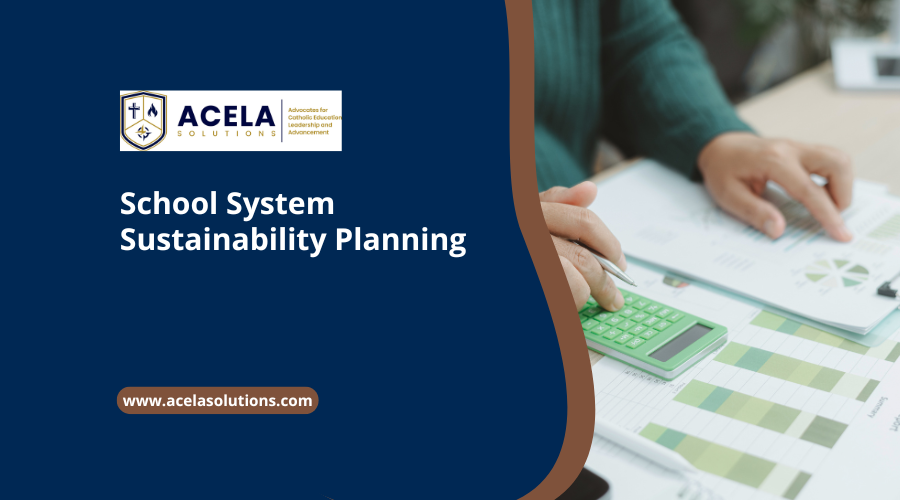
Operating a network of educational institutions requires structured foresight rather than constantly reacting to immediate pressures. School system sustainability planning provides a practical framework for dioceses and multi-school networks to align their resources with their educational missions. This approach helps administrators establish durable structures that support current classrooms while securing the future for upcoming generations.
Long-term viability depends on active management rather than waiting for enrollment shifts or financial shocks to force sudden decisions. Leaders must review their operating setups to confirm that every campus receives adequate administrative support and maintains academic quality. Through this timely review, networks can identify operational inefficiencies before they affect the daily classroom experience.
Establishing a Foundation for Educational Viability
Effective oversight begins with a clear-eyed analysis of the current state of all campuses within the network. Drawing on targeted long-range planning and organizational assessments allows administrators to gather reliable data on facilities, staffing, and local demographics. This diagnostic phase ensures that upcoming decisions rest on empirical evidence rather than anecdotal impressions.
Many networks struggle to maintain academic quality when resources are scattered thin across too many locations. Structured school system sustainability planning helps central offices consolidate services, balance staffing ratios, and reduce redundant overhead costs. By centralizing specific administrative duties, principals can focus their energy on instructional leadership and community connections.
The process requires a shared understanding of what makes a school viable in the modern educational landscape. Communities must establish clear milestones for enrollment, academic outcomes, and financial health. These measures guide boards in making objective decisions regarding resource distribution and potential consolidations.
Pillars of School System Sustainability Planning
A resilient governance structure balances local community identity with system-wide operational standards. Setting up a robust system, strategy, and structure design enables central offices to support individual schools while maintaining clear accountability. This balance prevents individual campuses from operating in isolation, fostering a culture of mutual support.
A resilient system strategy relies on three foundational areas that must be managed together.
- Stewardship of physical and financial resources to ensure long-term viability.
- Development of academic programs that meet modern educational standards.
- Cultivation of leadership pipelines to prevent administrative burnout and vacancy gaps.
Integrating these elements into everyday operations requires ongoing school system sustainability planning rather than a single annual review. Boards must monitor key performance indicators throughout the academic year to detect early warning signs of operational decline. Early action allows for gradual adjustments, avoiding the need for emergency restructuring.
Resource Optimization and Shared Services
Centralizing operational support represents an effective way to lower overhead costs across multiple schools. Networks can use partnered leadership counsel to design shared-service arrangements for finance, marketing, and human resources. This approach provides smaller campuses with access to specialized expertise that they could not afford on an individual basis.
Shared services must be carefully adjusted so that they do not diminish the unique character of individual school communities. Proper school system sustainability planning ensures that central office support enhances local operations without micromanaging daily classroom activities. Clear division of responsibilities prevents confusion and preserves the autonomy of local principals.
Effective shared-service agreements typically cover several operational areas to maximize system efficiency.
- Centralized bookkeeping and financial reporting to ensure compliance and clarity.
- Unified marketing and enrollment management programs to reach a broader audience.
- Coordinated human resource management to streamline hiring and benefits administration.
Implementing the Planning Framework
Transitioning from assessment to action requires a phased timeline that respects the natural rhythm of the academic year. Comprehensive school system sustainability planning must account for enrollment cycles, budgeting deadlines, and contract renewal periods. Attempting to rush structural shifts often leads to community resistance and operational disruption.
The initial phase involves aligning the system board and the sponsoring authority on the long-term vision of the network. Leaders must define clear objectives and communicate them openly to teachers, parents, and donors. This openness builds trust and helps the community understand the necessity of structural modifications.
The following checklist provides a structured path for executing structural changes within an educational network.
- Conduct a thorough physical facility assessment to estimate future capital expenditures.
- Analyze five-year demographic trends to project future enrollment patterns.
- Draft a unified financial model that aggregates all revenue streams and operational costs.
- Establish clear milestones and assign specific staff members to oversee each initiative.
The final phase of school system sustainability planning focuses on continuous improvement and regular progress updates. Boards should review the long-term plan during every quarterly meeting to ensure that milestones are being met. Adjustments should be made based on actual enrollment numbers and financial performance rather than original projections.
Supporting the Transition with Expert Guidance
Navigating complex structural changes requires objective analysis and deep experience in educational leadership. The team at ACELA Solutions acts as expert advisors to help systems design practical frameworks for long-term operational health. If your diocese or network needs assistance with school system sustainability planning, please contact us to start a conversation.
The practitioners at ACELA Solutions bring decades of collective career experience in Catholic education and central office leadership. This specialized background ensures that recommendations are realistic, respectful of local traditions, and focused on mission-driven stewardship. Partnering with experienced advisors helps systems transition from immediate challenges to stable, long-term growth.
Frequently Asked Questions
What are the core objectives of school system sustainability planning.
This process of school system sustainability planning aims to secure the long-term operational viability and educational quality of a network of schools. By analyzing enrollment trends, physical infrastructure, and financial resources, systems can make forward-looking decisions to support future generations of students.
When does an educational network need an operational assessment.
Systems should consider an assessment when experiencing persistent enrollment declines, rising operational deficits, or high administrative turnover. These early reviews are also highly beneficial during leadership transitions or before launching major capital campaigns to ensure alignment. Proactive evaluations help boards make decisions from a position of strength.
How can shared services be implemented without losing local identity.
Shared services focus strictly on backend administrative functions such as payroll, billing, and technology infrastructure. This arrangement frees local school leaders to focus entirely on curriculum, student life, and community relationships. It preserves the unique local culture of each campus while improving efficiency.
How do school boards prepare for long-term guiding decisions.
Boards prepare by reviewing accurate operational data, establishing clear viability metrics, and engaging in structured workshops. This preparation helps trustees focus on high-level strategy and stewardship rather than daily management details. It ensures that governance remains aligned with the long-term mission.
How can we begin collaborating with ACELA Solutions.
The collaboration begins with a detailed conversation to understand the unique circumstances of the system and its campuses. Experienced practitioners then design a customized approach that matches the timeline, resources, and goals of the institution. This ensures that every step supports your long-term operational vitality.
 Share This Post