September 30, 2026



Discerning the Right Fit: What Makes a Mission-Aligned Catholic School Leader?
Running a mission-centered organization requires a delicate balance between legal compliance and core organizational values. Traditional corporate human resources often miss the mark when applied to faith-based schools or community ministries. Establishing a supportive structure early on helps protect both your staff and your mission.
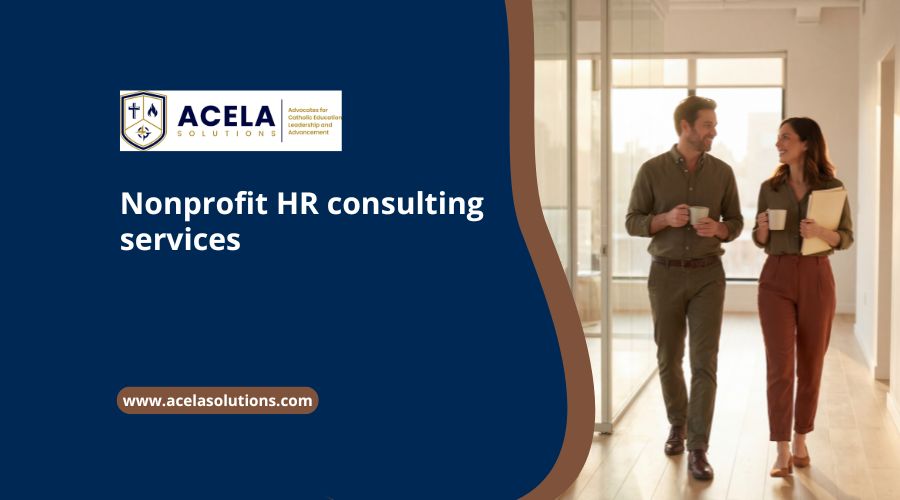
Many institutions find that using specialized nonprofit HR consulting services helps them build stable, compliant, and highly unified teams. Having external guidance ensures that daily operations run smoothly without distracting from the broader vision. This baseline support allows leaders to focus on serving their communities with confidence.
When administrative systems are weak, even the most dedicated teams will eventually face friction and exhaustion. Investing in a healthy personnel infrastructure is an act of long-term stewardship. It preserves organizational energy and ensures resources are handled with care.
The Purpose of Professional HR Support
Recruiting for mission-driven work involves finding individuals who offer both technical skills and a genuine commitment to your purpose. This dual focus often complicates the hiring process and requires a thoughtful approach to evaluation. Proper support ensures that employment practices respect human dignity while fostering a supportive workplace.
Securing external nonprofit HR consulting services helps organizations navigate changing labor rules while protecting their core focus. This supportive framework minimizes organizational risk and builds deeper trust among team members. Staff who feel valued are far more likely to stay dedicated to their work over the years.
High turnover rates disrupt daily operations and drain financial resources that should support your direct programs. Setting up clear pathways for professional growth helps keep your team intact and focused. To make this work, organizations must maintain standard practices that reflect their values.
Staying compliant with state and federal labor laws requires constant attention. Small changes in regulations can affect how you handle classification, overtime, and leave policies. Organizations need reliable ways to review these rules and update their handbooks.
A healthy workplace foundation depends on a few specific pieces of infrastructure:
- Up-to-date and legally compliant employee handbooks that outline expectations clearly.
- Clear job descriptions for every role to prevent confusion and duplicate efforts.
- Fair compensation and benefits structures designed for the unique constraints of your sector.
Designing Clear and Effective Team Structures
Overlapping responsibilities and vague reporting lines often cause friction within teams. When employees are unsure of their boundaries, vital tasks can easily be missed. This uncertainty leads to staff burnout as dedicated people try to cover every operational gap.
By seeking out nonprofit HR consulting services, institutions can organize their staff structure to support their long-term plans. We can reference this as a way to ensure every team member understands their specific contribution. Clear lines of authority make daily decisions much simpler.
Organizations can use organizational and operational assessments to identify team constraints and workload bottlenecks. This review helps leadership make informed choices about hiring, restructuring, and professional development. Addressing these administrative gaps early prevents minor friction from turning into major operational hurdles.
Role clarity also makes onboarding much easier for new hires. When expectations are written down from day one, new employees can start their work with confidence. This early clarity reduces initial anxiety and sets a positive tone for their entire time with you.
Supporting Leadership with Fractional Help
Many small to mid-sized organizations cannot afford a full-time, highly experienced HR director. This gap often leaves executive directors and principals handling complex compliance issues alongside daily operations. Trying to manage specialized employment matters without expert guidance increases the risk of costly mistakes.
To address this, nonprofit HR consulting services often offer part-time leadership options to support existing administrative teams. Accessing partnered leadership and counsel provides high-level guidance without the expense of a full-time executive salary. This flexible option brings professional expertise directly to you when it matters most.
A fractional advisor can manage policy updates, employee relations, and onboarding schedules throughout the year. This support gives your executive team the space to focus on community outreach and core programs. It keeps your personnel practices consistent and steady.
Temporary leadership also serves as a bridge during key transitions, such as an unexpected departure or a major reorganization. Having a seasoned professional step in keeps operations moving forward. It gives your board the time needed to conduct a thorough search for a permanent leader.
Finding and Keeping the Right Leaders
Hiring is about more than just filling an empty seat on your team. It requires a thoughtful approach to find people who have both the right skills and a strong commitment to your mission. Rushing the recruitment process often leads to poor hiring decisions that hurt team morale.
When facing a leadership transition, organizations benefit from a structured search process that gathers input from key members of the community. A thorough search respects the history of your institution while preparing everyone for the next chapter. It builds a clear profile of the ideal candidate before outreach begins.
When organizations use nonprofit HR consulting services, they can access specialized tools for performance reviews and staff retention. Focusing on internal talent through leadership and culture development ensures long-term operational continuity. Showing your staff that you invest in their growth builds deep loyalty.
A successful transition requires preparing both the new leader and the existing team. Providing structured onboarding support during the first hundred days helps the new executive build trust and understand your unique culture. This deliberate integration process significantly improves long-term leadership retention.
Nurturing a Healthy Workplace Culture
A healthy workplace culture never happens by accident. It requires thoughtful design, open communication, and steady reinforcement of shared values. Leaders must actively work to build an environment where trust and accountability can grow.
Encouraging open communication allows staff to share concerns and offer new ideas without fear of friction. Regular feedback loops help leadership stay connected to what is happening on the ground. This ongoing dialogue helps you find and address personnel issues before they grow.
Organizations should establish simple ways to celebrate both individual efforts and joint achievements. Recognizing milestones reinforces the shared purpose that keeps your team united. It builds a sense of collective success that helps sustain morale during busy seasons.
Professional development should connect individual career goals with organizational needs. Offering regular learning opportunities shows your team that you are invested in their future. This mutual commitment to growth benefits both individual performance and your broader mission.
Important parts of a healthy culture program include:
- Regular team retreats focused on trust and building shared priorities.
- Clear performance reviews that look at both job output and cultural match.
- Structured mentoring for newly appointed supervisors and managers.
Governing Boards as Stewards of Personnel Health
Governing boards play an important role in overseeing personnel health and long-term viability. Trustees must keep an eye on high-level metrics, such as staff turnover and compliance risks. This oversight ensures the organization remains a good steward of its human and financial resources.
The partnership between the board and the executive director is especially important during times of structural change. Boards must provide the backing and resources needed to maintain strong HR systems. This support allows the executive team to handle daily operations with confidence.
Good stewardship means planning for future transitions long before they happen. Boards should have succession frameworks ready to minimize disruption when key executives leave. A clear transition plan protects organizational stability and reassures external supporters.
Boards also need to ensure their own committees are structured to provide proper oversight. Setting up a dedicated committee for governance or personnel can make policy reviews and executive evaluations much smoother. This focus ensures that long-term personnel health is not lost in daily operational details.
Stewardship practices for governing boards include:
- Reviewing staff retention and satisfaction data on a regular basis.
- Approving executive compensation policies based on independent market data.
- Ensuring sufficient funds are set aside for staff development and operational support.
Establishing Lasting Systems for the Future
Building a resilient organization requires a deliberate focus on the people who carry out your mission every day. Clear roles, compliant policies, and steady leadership development form the foundation of viable operations.
Partnering with an experienced advisor to establish comprehensive nonprofit HR consulting services ensures that your organization remains compliant, efficient, and deeply connected to its core purpose. Take the time to evaluate your current structures and invest in the systems that support your most valuable asset.
Navigating personnel operations requires a partner who understands the unique demands of mission-driven spaces. The team at ACELA Solutions brings decades of collective career experience, having supported over 6,000 Catholic schools, dioceses, religious communities, and ministries nationwide. Across their careers, these practitioners have secured more than 575 leaders and completed over 500 operational plans and assessments combined.
If you are ready to strengthen your team and build operational capacity, please contact our team to begin a conversation.
Frequently Asked Questions
What are the signs that an organization needs external HR support.
Clear indicators include high staff turnover, frequent payroll or compliance errors, and leadership spending too much time on administrative personnel issues. Organizations undergoing rapid growth or restructuring also benefit from external guidance to build stable systems.
What is the typical scope of nonprofit HR consulting services.
These services generally cover handbook reviews, compensation studies, performance management training, and compliance audits. Many organizations use nonprofit HR consulting services to evaluate their existing policies, update job descriptions, and design fair compensation frameworks.
How do fractional HR models differ from full-time hiring.
Fractional models provide part-time access to senior HR professionals for guidance and complex issues. This structure offers a cost-effective alternative to hiring a full-time director when the workload does not justify a permanent role.
How should leadership prepare staff for an upcoming operational assessment.
Leadership should explain the goals of the assessment clearly, showing that the review focuses on systems and support rather than individual performance. Open communication helps reduce anxiety and encourages honest feedback during team interviews.
 Share This Post